
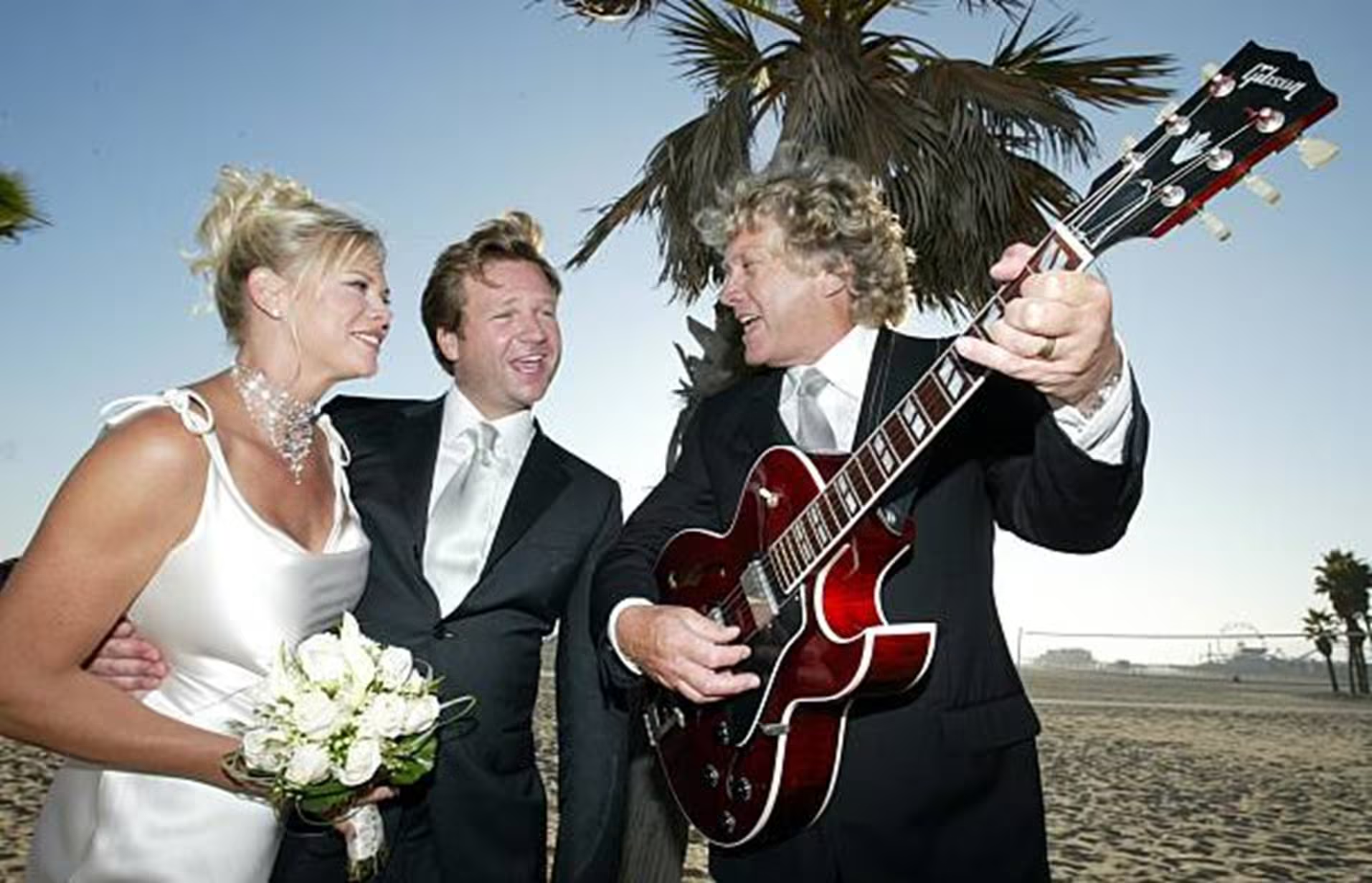
Music helps shape the mood of a wedding from the first arrival to the final celebration. Live guitar can bring warmth, personality, and elegance to each part of the day without feeling overpowering. It can support emotional moments during the ceremony, create a relaxed atmosphere throughout dinner, and add energy as the reception begins. Because the sound can shift from soft and romantic to upbeat and lively, it works naturally across different settings.
This flexibility makes live guitar a thoughtful choice for couples who want music that feels personal and memorable.
Guests often arrive 20 to 30 minutes before the ceremony begins. Music during this period prevents the space from feeling silent and helps establish the event’s tone.
A guitarist can perform gentle instrumental music while guests are seated. Suitable choices include:
Live guitar should remain quiet enough for guests to greet one another and communicate with venue staff. This is background music, not a featured performance.
For outdoor ceremonies, the guitarist may need amplification because sound can disappear in open spaces. The venue should also be protected from direct sunlight, wind, and rain.
The processional is one of the strongest moments to use live guitar because a musician can follow the wedding party’s timing.
A recorded song has a fixed length. A guitarist can repeat a section if an entrance takes longer than planned or end the song smoothly when everyone reaches the ceremony area.
The couple may choose:
Songs with strong personal meaning can work well, but they may need to be rearranged for solo guitar. A song with heavy electronic production or multiple vocal layers may sound very different in an instrumental version.
The couple should listen to the guitarist’s arrangement before the wedding to make sure the tempo and mood suit the entrance.
Some ceremonies include a unity ritual, certificate signing, candle lighting, religious observance, or a moment of reflection. Short instrumental music can support these moments without distracting guests.
The piece should match the length of the activity. Music that continues after the ritual is complete can create an awkward pause, while a piece that ends too early may leave unwanted silence.
A brief guitar solo may work well when it is simple and restrained. The focus should remain on the couple and the ceremony.
The musician should review the ceremony order with the planner or officiant so each cue is clear.
The recessional begins when the ceremony ends and the newly married couple exits. The music should feel more celebratory than the processional.
Upbeat acoustic songs, bright soul arrangements, and rhythmic instrumental pieces can create a clear shift in mood. The guitarist can continue playing as the wedding party and guests leave the ceremony space.
The song should begin immediately after the couple is officially introduced. A missed cue can weaken the moment, so the musician should know who is responsible for signaling the start.
Dinner music should remain in the background. Guests are eating, speaking, and listening to speeches or announcements.
Soft guitar music can warm up the room without competing with conversation. The guitarist may use slower tempos, simple chord melodies, and familiar instrumental songs. A softer arrangement inspired by a song from an r&b album can also work when the melody is recognizable, and the rhythm remains suitable for dining.
Dinner is usually when people are socializing the most; having a live guitar player during this time can be a waste. A live guitar needs to be enjoyed properly; therefore, it is better to play soft, soothing music in the background. This means you can include classical guitar, jazz ballads, or smooth instrumental arrangements for a formal wedding.
Acoustic pop, folk, country, soul, or light blues may work better for rustic, garden, beach, or relaxed celebrations. The couple can also provide a short list of songs they do not want played. The guitarist can then arrange the selected songs at a moderate volume and comfortable tempo.
The reception usually becomes more energetic after dinner and formal dances. Live guitar can support this transition, but the performance style may need to change.
A solo guitarist can perform:
A featured guitar solo may suit a special dedication or planned performance moment. It should be brief and placed where it will not interrupt dinner service, speeches, or dancing.
Music should stop before speeches, blessings, announcements, or video presentations.
The guitarist should receive a dinner timeline that includes:
The musician may play short transition pieces between these moments, but only when the planner or master of ceremonies confirms it is appropriate.
A live first dance can feel more personal than using a recording. The guitarist can slightly adjust the tempo and create a simpler arrangement that keeps the focus on the couple.
However, the arrangement must be planned carefully.
The couple should confirm:
A rehearsal recording can help the couple practice before the wedding.
Songs built around strong beats, layered production, or multiple instruments may need significant changes. The couple should judge the arrangement based on how it supports the dance, not how closely it copies the original recording.
Many weddings use a guitarist for the ceremony, cocktail hour, or dinner, then switch to a DJ or band for dancing.
This combination works because each option serves a different purpose.
The guitarist can provide:
The DJ or band can then provide:
The transition should be planned. Equipment checks, performance end times, and announcements should be coordinated to avoid a long gap between the live set and the dance music.
Live Guitar during the wedding ceremony can bring warmth, flexibility, and personality to every stage of the celebration. From guest arrival and the processional to dinner, the first dance, and the reception, each performance works best when it matches the moment rather than competes with it.
Careful planning helps the guitarist manage timing, volume, song selection, equipment, and transitions when working with a DJ or band. Couples should review arrangements in advance and coordinate cues with the planner, officiant, and venue team. When these details are handled well, live guitar becomes a seamless part of the wedding experience and creates memories for everyone.
Create the perfect soundtrack for your celebration with Chan Johnson, and enjoy live wedding guitar music tailored to every meaningful moment.
How Far in Advance Should You Book a Wedding Guitarist?
Popular wedding guitarists may be booked several months in advance, particularly during peak wedding season. Booking early provides more time to discuss the repertoire, request custom arrangements, review recordings, and coordinate performance requirements with the venue.
How Long Can a Wedding Guitarist Perform?
Performance length depends on the booking package and wedding schedule. Most musicians divide longer bookings into separate sets with short breaks. Couples should confirm the set lengths, break times, and whether background music will be recorded during pauses.
What Happens If the Guitarist Becomes Ill?
Professional musicians may have a backup performer or replacement policy. The contract should explain what happens if the guitarist cannot attend, including whether a suitable substitute will be provided or a refund will be issued.
Can a guitarist learn a special song?
Yes, many wedding guitarists can learn or arrange a meaningful song for the couple. Special requests should be submitted early so the musician has enough time to prepare, rehearse, and share a sample if needed.
Are travel and setup costs included?
Travel, parking, accommodation, and equipment setup may not be included in the base price. Couples should request a detailed quote before booking to avoid unexpected charges.